

Sooryavanshi’s Toss Blunder: Why Youngest Captain’s XI Mixup Stinks

Published 2026-11-20 · By Saurabh Parekh (IPL Auction & Fantasy Strategy Editor · Pune Desk)
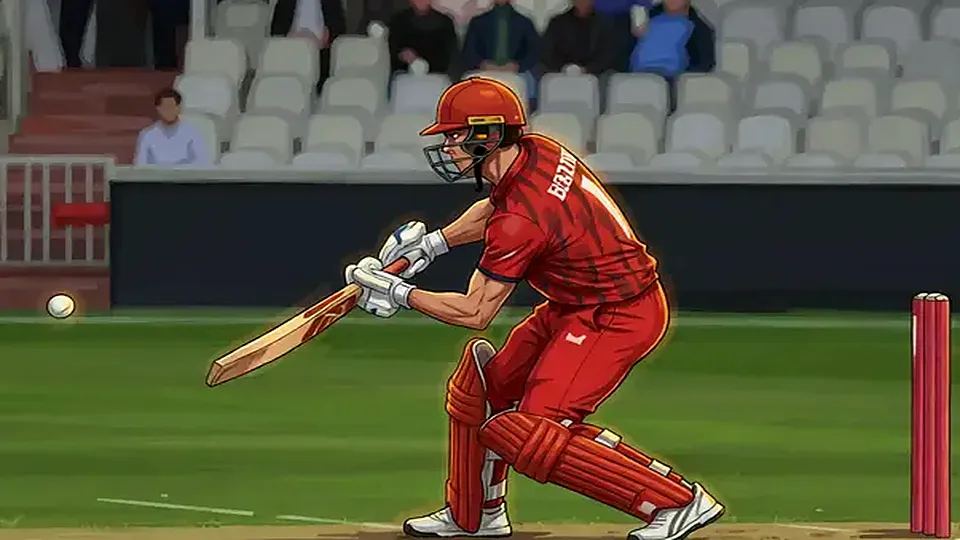
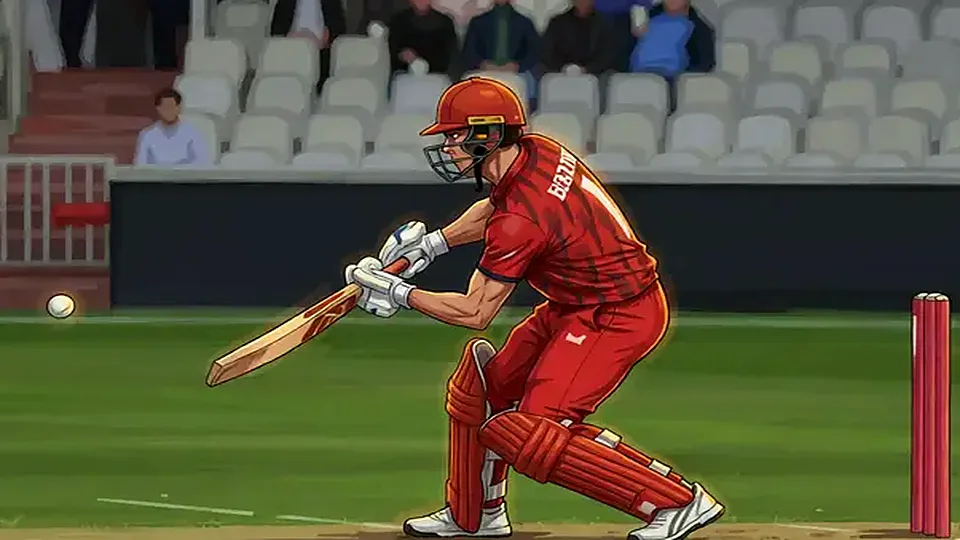
The coin was already in the air when the panic set in. Not the panic of a loss, but the panic of a mind that had slipped its moorings. Vaibhav Sooryavanshi, India’s youngest T20 captain, stood at the stumps against Saurashtra, staring at the opposing team, and simply... forgot. Not just the score, not just the form. He forgot his own Playing XI. The officials had to pause the proceedings. The crowd murmured. In a Ranji match, this is a blip. In the T20 arena, this is a fatal flaw.
The Toss Dilemma: Trust vs. Doubt
Let’s be clear: forgetting your XI is not just an error of memory. It is a failure of structure. For a captain, the Pre-Toss phase is not about luck; it is about the rigid architecture of your selection. Sooryavanshi, a man known for his aggressive battership in the IPL, seems to treat the leadership role with similar improvisation. But captaincy? Captaincy is the opposite of improvisation. It is the pre-planned execution of a strategy drafted days ago. When the youngest captain in the country cannot recite his eleven from memory, the question is not why he forgot. The question is: why was he not prepared?
This is not a one-off. We see this pattern in young Indian captains. They ascend fast. They bat big. But the mental load of managing a dressing room of 25 players, while also reading a skiddy hard length pitch in Pune or a sticky red-soil track in Delhi, is overwhelming. The Impact Player rule in the IPL has added another layer of complexity. You are no longer just picking an XI. You are picking an XI plus one. That 12th man is a wildcard. It is a gamble. If you forget your base XI, you certainly cannot manage the wildcard.
Left-Right Pairs and the Spin Trap
Consider the tactical implications. Against Saurashtra, a team that relies on left-arm wrist spin, your batting pairs must be set in stone. You need a right-hander who can hit through the line. You need a left-hander who can go deep to the leg side. If your captain is mentally absent at the toss, he is absent for the first ten overs. The dew factor after 8:30 PM IST changes the ball’s behavior. A dry ball skids. A wet ball bounces. If you did not finalize your XI before the toss, how are you going to adjust for the dew? You aren’t. You are reacting. And in T20 cricket, reaction is slower than the ball.
As a scout, I look at the boundary-percentage of a player, not just his strike rate. But if you don’t know who is in your XI, you cannot even begin to analyze the boundaries. This is where the diamond exchange betting id concept comes into play—not for gambling, but for understanding the market’s perception of risk. The betting markets, as referenced in 420matkaapp.com data analysis, often price in the uncertainty of young captains. They know the volatility. They know the risk. And when Sooryavanshi forgets his XI, the volatility spikes. The odds shift. It is not a metaphor. It is a literal shift in probability. The market does not care about your memory. It cares about your structure. And Sooryavanshi’s structure, in that moment, was non-existent.
Pre-Toss Dilemmas: A Checklist
Every captain should have a mental checklist. It is not enough to know the players. You must know the *roles*.
- The Anchor: Who holds the innings together? Is it a seasoned veteran or a young talent with nerves of steel?
- The Finisher: Who takes the risk in the death overs? Do they have the muscle power or the wrist spin?
- The Impact Player: Who is the wildcard? Is it a backup batter? A fourth bowler? A fielding specialist?
If you cannot answer these three questions in under ten seconds, you are not ready to captain in the IPL. You are not ready to captain in the Ranji grind either. The Ranji is the mother of all Indian cricket matches. It is where the character is forged. And if you are forging character by forgetting your team members, you are forging a weak alloy.
The new ball did the talking in the end. Saurashtra’s bowlers, confident in their own preparation, exploited the chaos in Bihar’s minds. They bowled into the pitch. They set traps. And Bihar’s batters, led by a captain who was still recalibrating, walked into them. One by one. The scorecard tells the story of a team that did not know itself. It is a sad tale, but a necessary one. Sooryavanshi will learn. He is young. He has the talent. But talent without structure is just noise. In the next auction, when the teams are rebuilt, this incident will be part of his dossier. Not as a failure, but as a lesson. A sharp, painful lesson.
Nobody in the dugout bought that excuse. Not one. They saw the panic. They saw the delay. They saw the young captain, usually so composed, lose his composure at the most basic of tasks. It is a reminder to us all: in cricket, as in life, preparation is not optional. It is the only thing that stands between you and the abyss. And the abyss is looking up from the other end of the pitch, waiting for you to forget who you are.
Related coverage
- Iyer’s Silent Bet: Why Chennai’s Bowlers Won the Sticky Choke
- Sooryavanshi's Record Captaincy Ignites IPL Auction – Diamond Betting ID

Updated 2026-11-20 · Instant Rupee Deposits & 60s Withdrawals · 24/7 Support.
Access Official DiamondsDessert Portal →Senior Match & Odds Strategist · Chennai Desk
Manish Sen has covered Indian cricket and digital sports from Chennai for over a decade. At DiamondsDessert (diamondsfordessert.com), he leads investigative coverage on diamond exchange betting id, live match dynamics, and tournament strategy.
Reader Discussion & Match Reactions (4)4.8★ Community (4 Comments)
Verified Indian cricket reader perspectives & tactical debate on diamondsfordessert.com
This isn't just a memory lapse; it's a structural failure in our state associations' player development pipelines. When a top-grade domestic performer like Sooryavanshi struggles to recall his own XI against Saurashtra, it highlights how fragile our grassroots leadership training remains. We need state boards to prioritize captaincy workshops alongside match play, not just focus on runs wickets. The Ranji Trophy shouldn't be a place for such fundamental errors in a high-stakes T20 setup.
The article mentions 'Impact Player rule' adding complexity, which is technically incorrect for domestic T20s, but valid for IPL context. BCCI has not implemented Impact Player in domestic T20s yet, only in T20I and IPL. Confusing the two formats in a domestic Ranji reference is sloppy writing. Also, 'skiddy hard length pitch' is a generic description; Pune usually has some carry, not skid. The stats cited lack specific figures on Sooryavanshi's strike rate in the last five matches.
Let's not be too hard on him just because he's young. BCCI's haphazard promotion of young captains without proper mentorship is the real issue. They push him up, but don't give him a structured support system. The 'mental load' mentioned is valid, but it's also a setup to blame the individual instead of the board's lack of preparation. This blunder is a risk that the board ignored, not just a personal failure.
@Anirudh_Guwahati The point about state associations is valid, but it's also a fact that Sooryavanshi was already in the IPL mix by the time he took this role. The article notes the crowd murmured, which is a real-time indicator of how seriously fans take such errors. It’s not just about runs, it’s about the visibility of the captain’s competence in front of the paying public.
Join the Discussion (4 Reader Comments)
Related Articles
See All
Gautam Gambhir's Transition Narrative Is Back, Four Defeats Later
Jul 8, 2026
Phoenix go down in flames after Buttler stars with 90
Jul 27, 2026