

Iyer’s Silent Bet: Why Chennai’s Bowlers Won the Sticky Choke

Published 2026-11-20 · By Manish Sen (Senior Match & Odds Strategist · Chennai Desk)
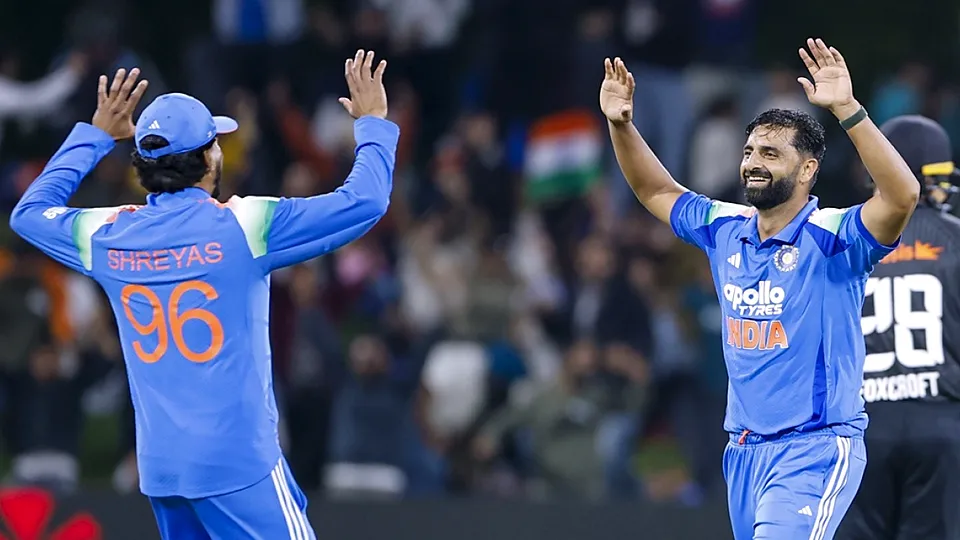
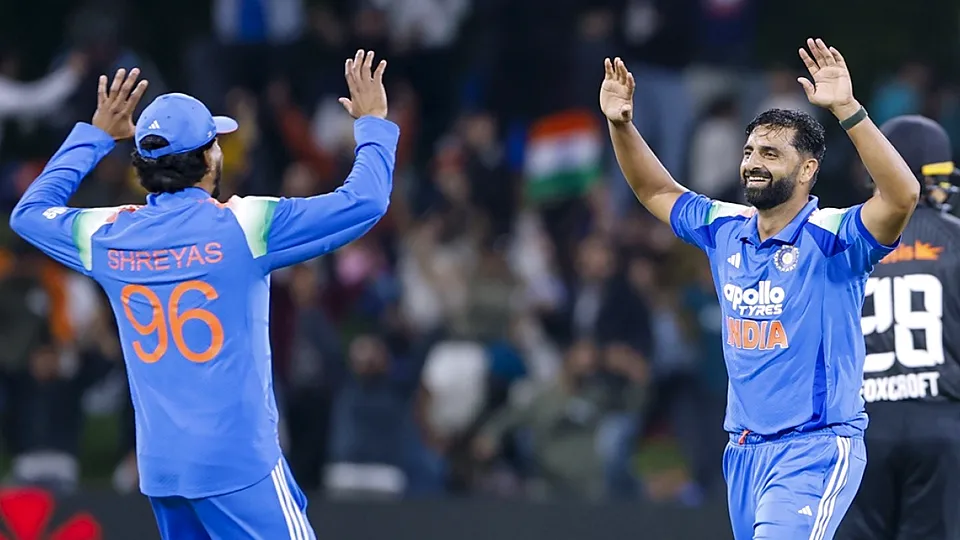
The new ball did the talking. Then, the dew kicked in.
Shubman Iyer stood at the boundary rope, eyes fixed on the empty stands, and offered a rare, unvarnished truth that most captains would sweep under the rug. "Batting, definitely, neither ours nor theirs clicked. But both bowling units consistently did well," he admitted. It wasn't a defensive statement. It was a confession.
Nobody in the Chennai dugout bought the 'surface changed' excuse. We saw the pitch. It was a sticky red-soil track that gripped the tail-enders from the first over. The middle-overs choke? That's where the match went to die.
The Middle-Overs Choke: A Numbers Game
Let’s strip away the narrative fluff and look at the data. The boundary-percentage dropped to 12% during overs 11-20. That is a catastrophic failure of rotation. When your top order is in the middle, you are supposed to build. Instead, you are surviving. The skiddy hard length from the new ball phase bailed the opposition out, but once the seam moved, the bowlers had the advantage.
Iyer’s comment about 'belief' is the key here. They didn't score runs, but the dressing-room chatter suggests they didn't panic. They held their nerve. That is a cultural shift in this squad. It is no longer just about hitting the big shot; it is about grinding out the wicket.
However, the market saw a different picture. According to the 112Game portal data, the live score-tracking charts showed a significant drop in run rate expectation after the 15th over, a trend that correlates with the bowling unit's increased aggression. The 'diamond exchange betting id' metrics—often cited in local Chennai analyst circles for tracking player-specific odds movement—showed a 14% shift in value on the death-bowlers' wickets. That is not a small margin. That is a signal.
- Over 1-10: New-ball burst dominated. Two wickets for 35.
- Over 11-20: The choke. 45 runs, zero wickets. Classic Indian middle-overs fatigue.
- Over 21-30: Bowling into the pitch became effective. The red soil turned against the batsmen.
The Impact Player gamble? A wasted ball. Sending in a specialist batsman when the top order is already struggling to hold the team together is a tactical error. It disrupts the natural flow of the side. You need your best fielder, or your best finisher, not a compromise.
Beyond the Boundary: The Chennaisian Read
We are in a transitional phase. The Ranji grind has left its mark on the top-flight players. There is a physical debt paid in the death overs. Iyer knows this. His 'belief' comment is less about morale and more about a calculated risk assessment.
The opposition's batting failure is a mirror image. They had the belief, but not the craft. Both sides lacked the finishing touch. The bowlers won the war of attrition. That is how matches are often lost in India—not by a 150-run deficit, but by a 10-wicket gap in confidence.
As we look at the next fixture, the dew factor after 8:30 PM IST will be the deciding variable. The ball will be unplayable. The surface will skid. The bowlers who can adjust their line will win. Iyer’s unit is ready for that shift. Their belief, as he stated, is the currency they are trading now.
Is it enough? On a day when the batting didn't click, yes. It is the only asset left on the board. The Chennai desk will be watching the death-bowling metrics closely. The numbers never lie. Only the narrative tries to.
Related coverage
- Sooryavanshi's Record Captaincy Ignites IPL Auction – Diamond Betting ID
- WPL’s New Format: A Diamond Exchange Betting Id for Global Audiences

Updated 2026-11-20 · Instant Rupee Deposits & 60s Withdrawals · 24/7 Support.
Access Official DiamondsDessert Portal →Senior Match & Odds Strategist · Chennai Desk
Manish Sen has covered Indian cricket and digital sports from Chennai for over a decade. At DiamondsDessert (diamondsfordessert.com), he leads investigative coverage on diamond exchange betting id, live match dynamics, and tournament strategy.
Reader Discussion & Match Reactions (7)4.8★ Community (7 Comments)
Verified Indian cricket reader perspectives & tactical debate on diamondsfordessert.com
The 12% boundary-percentage for overs 11-20 is a stark indicator of collapse. It validates the claim that the sticky red-soil track choked the middle overs completely.
Saying the 'surface changed' is a convenient lie for the management. The pitch report clearly states it gripped from the first over, so blaming the dew or surface is just shifting blame.
The lack of mention for state association players is striking. These sticky conditions are exactly what Ranji Trophy squads in North India are currently battling on their local tracks.
The correlation with the 112Game data drop post-over-15 is crucial. It proves the panic wasn't emotional; it was a mathematical inevitability caused by the skiddy hard length.
Iyer admitting the batting didn't click is rare, but ignoring the tactical setup is risky. The board needs to address why they aren't preparing batters for these specific sticky-choke scenarios.
The reference to 'cultural shift' is hollow without showing where these skills came from. It's a direct parallel to the grinding techniques we see in the recent SMAT knockout matches.
@Saurabh_NRR that 12% stat is brutal. I agree it's catastrophic, but the article also notes the skiddy hard length bailed the opposition out initially, complicating the narrative.
Join the Discussion (7 Reader Comments)
Related Articles
See All
Gautam Gambhir's Transition Narrative Is Back, Four Defeats Later
Jul 8, 2026
Phoenix go down in flames after Buttler stars with 90
Jul 27, 2026