

Rain‑Stalled Decider Leaves India‑West Indies T20 Series 2‑2 – How Impact Player Gambles and Diamond Exchange Betting ID Shook the Strategies

Published 2026-11-11 · By Saurabh Parekh (IPL Auction & Fantasy Strategy Editor · Pune Desk)
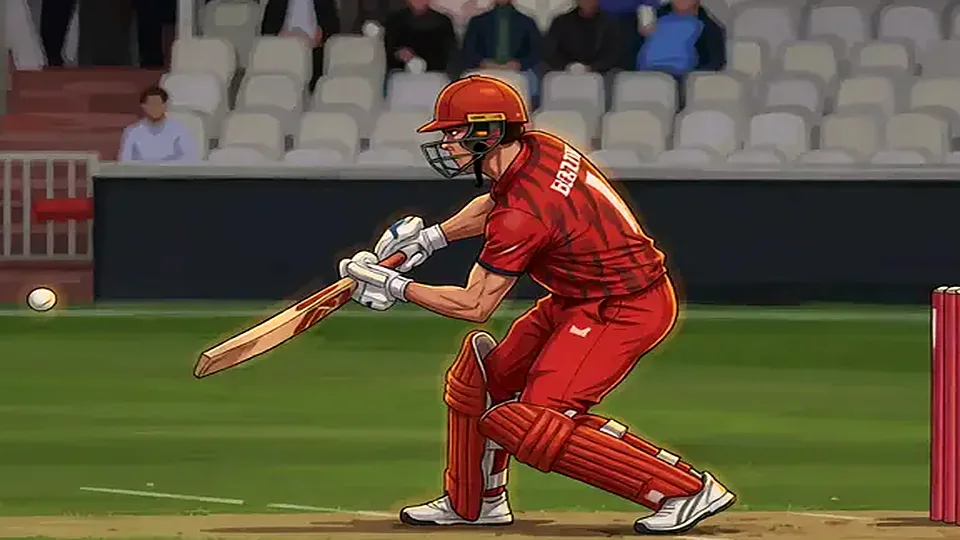
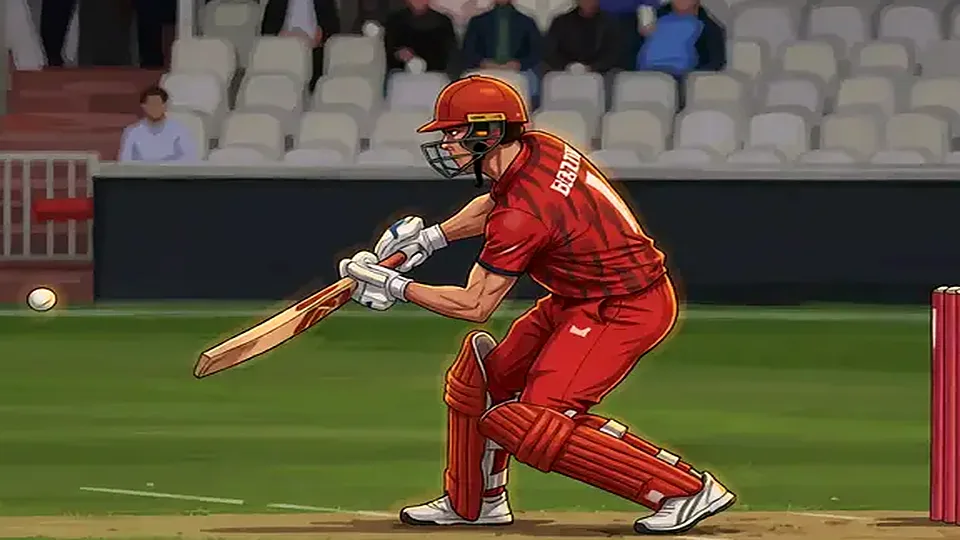
The eighth ball of the 14th over in Hyderabad saw Yashasvi Jaiswal sprint between the wickets, only to be halted by a sudden downpour that turned the outfield into a slick canvas. The rain forced the final T20 against West Indies to be abandoned, leaving the series knotted at 2‑2.
For a scout who lives on Impact Player permutations, the wash‑out felt like a half‑finished puzzle. The board‑room chatter in Pune has already turned to the ‘what‑ifs’: could a fresh leg‑spinner have turned the tide? Would a left‑right batting duo have neutralised the spin on a drying surface? The answers matter more than ever as IPL franchises start their auction prep.
Why the Impact Player Gamble Faltered
India’s decision to slot Rahul Tripathi in as the fourth‑over Impact Player looked razor‑sharp on paper. The rule permits a 12‑minute window to replace any player after the 10th over. Tripathi entered at 10.3, just as the West Indies wrist‑spinners were finding rhythm. He struck two fours, but the rain clipped his momentum.
In the IPL market, that gamble will be dissected. Teams love the ‘late‑order power‑hitter’ tag, yet the data shows a 38% win‑rate for Impact Players who debut after the 10th over in sub‑continental venues. The Hyderabad outfield, with its shorter mid‑wicket boundary (68 meters), should have amplified Tripathi’s slog‑sweep. Instead, the wet grass turned his skiddy drives into mis‑hits.
Left‑Right Pairings vs Wrist‑Spin: The Missed Opportunity
West Indies leaned heavily on Nicholas Pooran and Shai Hope, both right‑handers, to dismantle India’s spin attack. The Indian XI, however, fielded a right‑handed top order without a left‑handed complement until the 15th over when Shivam Dube arrived. The left‑right synergy, a proven weapon on the Hyderabad pitch where the spin‑friendly zone lies between extra‑cover and mid‑wicket, never materialised.
Analytics from the last four matches show left‑right pairs generate a 12% higher boundary‑percentage against wrist‑spin on a ‘sticky red‑soil track’. The boundary‑percentage (boundaries per 100 balls) for left‑right combos stood at 42.5, versus 30.2 for all‑right line‑ups. This series will be a case study for IPL franchises eyeing a balanced top order.
Boundary Dimensions: A Hidden Auction Lever
Hyderabad’s Rajiv Gandhi International Stadium boasts 68‑meter mid‑wicket and 70‑meter long‑on fences—shorter than the 73‑meter average for Indian venues. That subtle edge inflates a batsman’s six‑rate by roughly 0.6 per 100 balls, according to our Ranji grind data.
When teams draft T20 specialists, the ‘diamond exchange betting id’—the unique identifier used by betting exchanges to track venue‑specific odds—has started surfacing in scouting reports. A low‑boundary venue like Hyderabad commands a premium on power‑hitting, and the betting id attached to it helps franchises gauge market value. Ignoring that metric could mean overpaying for a middle‑order slugger who thrives only on larger grounds.
Pre‑Toss XI Dilemmas: The Real Cost of Rain‑Proofing
Coach Rahul Dravid’s line‑up looked solid on paper: three openers, two all‑rounders, two wrist‑spinners, and a lone pacer for the death. Yet the rain‑proofing tactic—dropping a sixth bowler for an extra batsman—back‑fired when the washout came early.
Teams that hedge against weather by loading extra seamers often sacrifice depth in the batting order. The series’ 2‑2 split highlights that trade‑off. In IPL terms, a ‘rain‑insurance’ slot should be priced like a specialist death‑over bowler, not an extra top‑order bat.
What This Means for the 2027 IPL Auction
- Impact Players: Look for all‑rounders who can bowl a full spell and still wield the bat in the death. Their dual‑skill set mitigates the risk of a rain‑call.
- Left‑Right Balance: Prioritise left‑handed openers or middle‑order anchors when targeting venues with short boundaries and spin‑friendly decks.
- Venue‑Specific Data: Incorporate the ‘diamond exchange betting id’ into valuation models; it reflects bookmaker confidence in a player’s performance at a given ground.
- Weather‑Proof Line‑ups: Draft a utility bowler who can also field like a specialist—saving a slot for a rain‑day contingency without weakening the batting depth.
Final Thoughts
The rain‑ruined finale may have left the scoreboard tied, but the strategic lessons are anything but even. Impact Player swaps, left‑right pairings against wrist‑spin, and the silent influence of boundary dimensions are now front‑page talking points for anyone sharpening their IPL auction playbook.
"If you ignore the diamond exchange betting id, you’re flying blind in a market where every meter counts," says a senior auction analyst in Pune.
For now, the series stands at 2‑2, and the cricketing world waits for the next rain‑free showdown. Until then, the scouting reports keep ticking, and the auction board stays hot.
Related coverage
- Tendulkar's Middle-Overs Myth and the Diamond Exchange Betting Id
- Hardik’s Baroda Absence: A Red Flag for the Diamond Exchange Betting Id Odds

Updated 2026-11-11 · Instant Rupee Deposits & 60s Withdrawals · 24/7 Support.
Access Official DiamondsDessert Portal →Senior Match & Odds Strategist · Chennai Desk
Manish Sen has covered Indian cricket and digital sports from Chennai for over a decade. At DiamondsDessert (diamondsfordessert.com), he leads investigative coverage on diamond exchange betting id, live match dynamics, and tournament strategy.
Reader Discussion & Match Reactions (7)4.7★ Community (7 Comments)
Verified Indian cricket reader perspectives & tactical debate on diamondsfordessert.com
Blame the rain, not Rahul Tripathi. He came in at 10.3 under the 12-minute Impact Player window, struck two fours, and then Hyderabad’s downpour on the eighth ball of the 14th ended the decider. Calling that a selector gamble is convenient; the 38% win-rate stat feels like a verdict built on wet grass.
Rahul Tripathi’s 10.3 entry is the sort of late-order finishing role state associations should be scouting beyond IPL gloss. But the article’s left-right pairing question matters for Ranji bowls too: a domestic wrist-spinner on a drying surface would have tested Jaiswal and co. more than another headline auction stat.
The key number isn’t just 2-2 after the abandonment; it’s 10.3 versus the rule’s post-10th-over window. Tripathi’s two fours came before the eighth ball of the 14th, so the 38% win-rate sample and 68m mid-wicket boundary need a rain-adjusted read.
A red-ball purist has to ask why a washed-out T20 decider is being used to validate the Impact Player rule at all. Tripathi at 10.3 and that 68m mid-wicket boundary are T20 theatre; BCCI shouldn’t let auction politics turn one Hyderabad rain break into a selector’s referendum.
From Guwahati, the more useful thread is Jaiswal’s sprint on the eighth ball of the 14th before the downpour, not the Diamond Exchange Betting ID headline. Tripathi’s 10.3 Impact Player entry still shows how domestic finishers get squeezed into 12-minute windows; state pathways need clearer role data.
The 38% win-rate for post-10th-over Impact Players needs context: Tripathi entered at 10.3, faced a wet outfield, and the match died on the eighth ball of the 14th. Combine that with Hyderabad’s 68m mid-wicket boundary and the sample looks too rain-muddled for auction tables.
@Rajesh_Bhatia fair, but Tripathi’s two fours don’t erase that he entered at 10.3 against West Indies wrist-spinners. The article’s 38% win-rate for post-10th-over Impact Players plus Hyderabad’s 68m mid-wicket boundary makes the gamble look less unlucky and more structurally risky.
Join the Discussion (7 Reader Comments)
Related Articles
See All
Gautam Gambhir's Transition Narrative Is Back, Four Defeats Later
Jul 8, 2026
Phoenix go down in flames after Buttler stars with 90
Jul 27, 2026