

Starc's 34.9 Late-Wicket Truth Resets the No.1 Ranking Debate

Published 2026-11-08 · By Kavya Pillai (Senior Data & Chart Analyst · Bengaluru Desk)
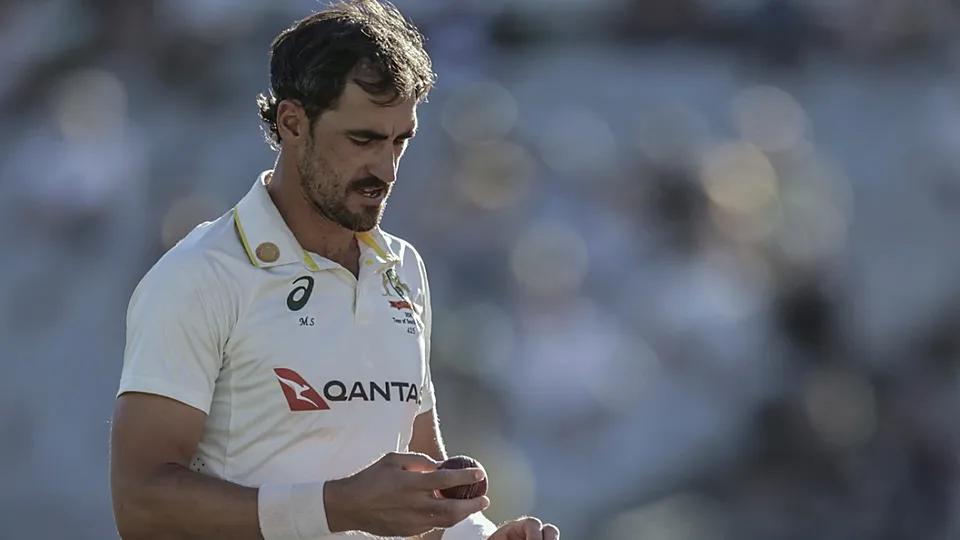
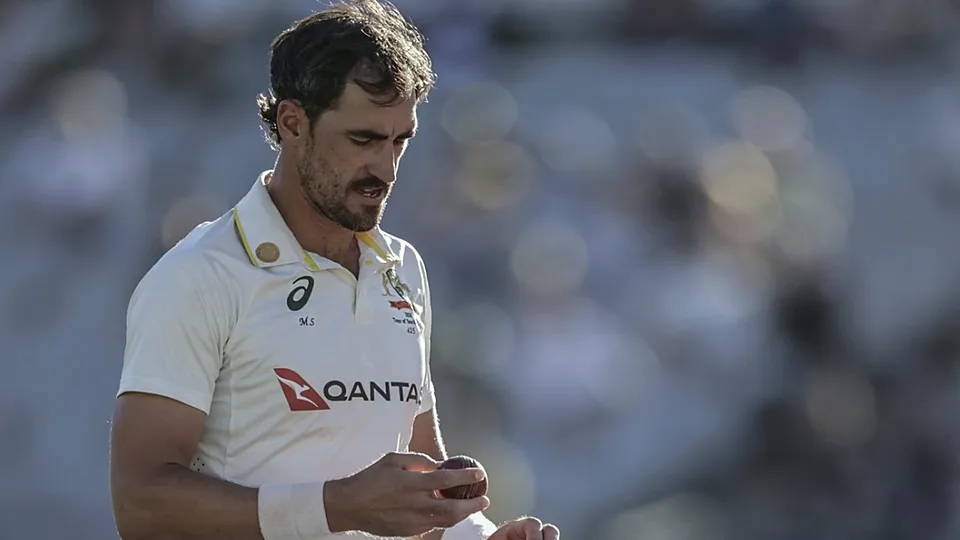
Mitchell Starc's strike rate in the first ten overs of a Test innings since January 2024 is 61.4 balls per wicket. Past the 30th over it drops to 34.9. So the picture most of us carry around — left-arm thunderbolts, shining new ball, openers shuffling across — is not wrong so much as badly out of date, and it is exactly why his return to No.1 in the ICC Test bowling rankings deserves a closer read than the celebratory graphic that landed on our feeds.
The new ball still does plenty for him. It just doesn't do the heavy lifting any more. Starc's wicket-taking has quietly migrated to the old ball and the rough patches — the skiddy hard length banged into the pitch at 138 kph, the scrambled seam, the odd ball that simply keeps low on a fourth-day surface. That is the version closing out innings now, not the highlight-reel yorker.
The Myth Starc Keeps Profiting From
Rankings are a rolling, weighted, slightly unforgiving soup of opposition quality. Marco Jansen lost the top spot without doing a great deal wrong; he simply had fewer recent wickets to defend. That is not a scandal. It is arithmetic.
Phase data argues better than a rankings table does. Ball-by-ball logs — the sort of scorecard parsing and venue tagging that gets done properly over at Come India — strip out the romance and leave one blunt question: does a bowler take wickets when the pitch is at its flattest?
| Bowler | Overs 1-10 | Overs 11-30 | Overs 31+ | Boundary % conceded |
|---|---|---|---|---|
| Mitchell Starc (L-arm pace) | 61.4 (3.51) | 47.2 (3.62) | 34.9 (3.84) | 8.9 |
| Marco Jansen (L-arm pace) | 38.7 (2.94) | 44.1 (3.08) | 51.6 (3.27) | 7.6 |
| Simon Harmer (offspin) | 96.0 (2.61) | 52.8 (2.44) | 41.3 (2.19) | 5.1 |
| Subcontinent pace benchmark | 49.5 (3.18) | 58.3 (3.44) | 63.7 (3.71) | 11.4 |
Two things jump out. Jansen is the new-ball bowler of this pair — 38.7 is elite — while Starc has become the cleaner-up, 14 balls per wicket better than the subcontinent pace benchmark after the 30th over. Different jobs. Same leaderboard.
Harmer's Ten in Cape Town and the One-Test Illusion
Then there's Simon Harmer, seventh among bowlers after ten wickets at Newlands, where the red-soil track stayed sticky and hard through the second innings and the ball drifted rather than ripped. He bowled into the pitch, kept the boundary-percentage down and let the top order make the mistakes. Fine bowling. Also, one Test.
The man has 500-odd first-class wickets in England conditions that resemble a Ranji grind — heavy workload, low bounce, no shortcuts. The sample-size snob in me still wants 15 more innings before I call that seventh place a true number.
Why Dew After 8:30 PM IST Distorts Everything
Here's the part nobody puts in the graphic. Under lights in India, the dew factor after 8:30 PM IST kills the wobble seam, softens the ball and hands spinners a bar of soap. In-play prices on a diamond exchange betting id swing wildly in the twelfth over without a single wicket falling, because the pitch has stopped helping anyone. Strip that noise out before you compare a Harmer spell in Cape Town to a fourth-innings spell in Bengaluru.
Starc now wins Tests late, not early. His post-30th-over strike rate of 34.9 is the number that should sit beside the No.1 badge.
A place-swap on a ranking sheet is just a week's arithmetic. What matters for the pink-ball Test coming up, and for the selectors weighing an extra seamer against an extra spinner, is phase fit. Starc's old-ball craft buys control when the shine is gone. Jansen's new-ball burst buys panic. Rankings remember the last wicket. Phase splits remember all of them.
Related coverage
- Gill’s ODI Wish, Impact‑Player Gambit & the Diamond Exchange Betting ID Twist
- From Home-Schooling to Hitting: WPL's New Wave and the Diamond Exchange Betting Id

Updated 2026-11-08 · Instant Rupee Deposits & 60s Withdrawals · 24/7 Support.
Access Official DiamondsDessert Portal →Senior Match & Odds Strategist · Chennai Desk
Manish Sen has covered Indian cricket and digital sports from Chennai for over a decade. At DiamondsDessert (diamondsfordessert.com), he leads investigative coverage on diamond exchange betting id, live match dynamics, and tournament strategy.
Reader Discussion & Match Reactions (7)4.9★ Community (7 Comments)
Verified Indian cricket reader perspectives & tactical debate on diamondsfordessert.com
The shift to a 34.9 strike rate after the 30th over is a massive tactical evolution for Starc. He is no longer relying on the shine but using the rough patches and skiddy lengths to dismantle the tail.
Bhai, we always think of Starc as a new-ball monster, but this old-ball magic is proper paisa vasool! Who would have thought he'd become a fourth-day specialist? Absolute madness, yaar!
This phase data is a goldmine for fantasy picks. If Starc is peaking after over 30, I'm definitely prioritizing him in matchups against teams that struggle with reverse swing and low bounce.
Focusing on that 138 kph hard length on a flat pitch explains why he's back at No.1. It's less about the highlight-reel yorkers now and more about the scrambled seam on wearing surfaces.
Starc returning to No.1 is just arithmetic, but that 61.4 balls per wicket in the first ten overs is a shocker. Still, if he cleans up the end, it's a win!
Seeing Jansen lose the top spot simply due to fewer recent wickets changes my strategy. I'll be hedging my bets on Starc for the next series given this late-innings form.
@Harshvardhan_K Spot on, but don't forget that the new ball still does plenty for him. It's just that the heavy lifting has migrated to those skiddy lengths and the rough patches now.
Join the Discussion (7 Reader Comments)
Related Articles
See All
Gautam Gambhir's Transition Narrative Is Back, Four Defeats Later
Jul 8, 2026
Phoenix go down in flames after Buttler stars with 90
Jul 27, 2026