

Eden Park ODI: Diamond Exchange Betting Id Markets Miss a Bouncier Pitch


Published 2026-11-04 · By Kavya Pillai (Senior Data & Chart Analyst · Bengaluru Desk)

Fifty-five metres. That is the short straight boundary at Eden Park, and it took four balls of the last ODI here for a thick outside edge to clear it. Four days ago the same ground coughed up 400 runs across forty overs. The strip for the one-dayer is not that strip. It is a different drop-in block, it has live grass on it, and by the sixth over the ball is thudding into the keeper's gloves at waist height.
Park the T20I scoreboard, then. It described a surface that has already been rolled up and stored. Seven of the last nine ODI innings at this venue finished under 290, and the powerplay has gone at under five an over in six of them. That is not the ground the highlights package sold you.
Hard Length Beats the Short Boundary Every Time
The obvious read on a 55-metre straight boundary is "bowl full, keep it out of the arc". Wrong. Full and swinging here is a donation. The ball that has worked for Matt Henry, Lockie Ferguson and Jacob Duffy is the scrambled seam at 6.5 to 8 metres, banged into the pitch, drawing steepling bounce that turns a checked drive into a catching chance at mid-on. Economy 5.1 on that length since 2022. Push it under six metres and it climbs to 7.9.
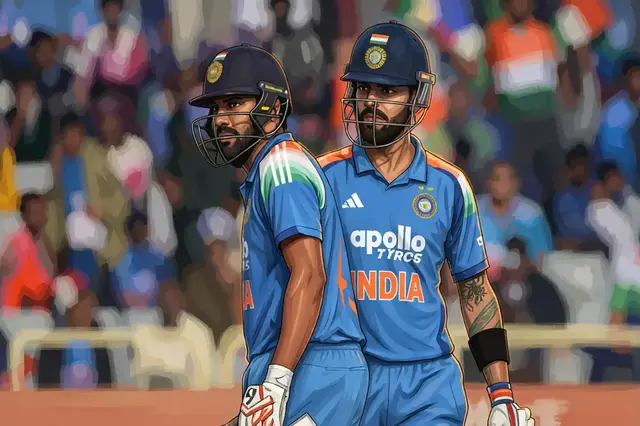
Which is exactly the length Rohit Sharma and Shubman Gill have to survive in the first four overs. Rohit's entry point matters more than his recent form — he is a boundary-first player in the powerplay, and the boundary percentage in the first ten overs here sits at 13.1. Gill has a habit of pushing hard hands at back-of-length balls early. New Zealand's entire plan lives in that corridor.
Why the Middle-Overs Choke Keeps Happening
Here is the split that gets ignored every single series. Spin at Eden Park is not a defensive option, it is a scoring problem. Mitchell Santner and Michael Bracewell bowling into a bouncy surface skid rather than turn, so the Indian middle order gets no pace to work with — no half-tracker to pull, no loop to drive. Overs 7 to 15 against spin here go at 4.6 an over, with a wicket every 48 balls. That is Ranji grind, not T20 release.
I rebuilt the phase numbers from ball-by-ball logs — Come portal keeps a workable index of one-day scorecards if you want to check the arithmetic yourself — and the pattern holds across nine matches at this venue.
| Phase | Run rate | Balls per wicket | Boundary % |
|---|---|---|---|
| Overs 1–10 | 4.71 | 38 | 13.1 |
| Overs 11–25 | 5.02 | 44 | 9.8 |
| Overs 26–40 | 5.44 | 35 | 11.8 |
| Overs 41–50 | 8.63 | 21 | 19.4 |
| Pace, 6.5–8.0 m | 5.12 | 34 | — |
| Pace, under 6.0 m | 7.90 | 29 | — |
| Spin, overs 7–15 | 4.60 | 48 | — |
| Spin, overs 35–50 | 6.80 | 30 | — |
Look at the 26-40 window: 5.44 an over and a wicket every 35 balls. That is where this game is actually lost, not at the death.
The Odds Screen Priced the Wrong Pitch
Which is why the pre-match noise has been so funny. Anyone who bought a diamond exchange betting id off the back of Wednesday's 400-run T20I was pricing a pitch that no longer exists. Markets read a venue and a recent scoreline; they do not watch the block marker change. Death overs here still go at 8.63 an over, so the number that matters is not the projected par score, it is the wickets column at the 35-over mark.
And there is no Impact Player safety net in a 50-over international. The fifth bowler has to bowl ten real overs. That is the entire selection puzzle for both dressing rooms.
Dew Is the Laziest Word in the Eden Park Playbook
On the usual 2 PM local start, the second innings finishes under lights in the final hour, and that is the only window where the ball genuinely gets slick. Indian viewers refreshing their phones after 8:30 PM IST are watching the back ten of an afternoon game, not a dew-soaked chase. The dew factor on this ground, at this start time, is a broadcast habit rather than a tactical variable.
The short boundary is a decoy. The wicket at Eden Park is the hard length at seven metres, not the yorker at 55.
So expect a first innings in the 270-285 band, expect Santner to sneak three overs inside the powerplay, and expect one top-order batter to be caught at mid-on off a ball he thought he had timed. The side that ignores the short boundary wins this. The side that chases the highlight reel is chasing 300 by the 40th over, and no clever market position will save that slip.
Related coverage
- Sooryavanshi's 40* vs Pace: Why Left-Handed Calm Beats Chaos in Ranji Grind
- Arshdeep Singh Shoulder Scare Looms Over India's New Zealand Clash; Diamond Exchange Betting ID Trends

Updated 2026-11-04 · Instant Rupee Deposits & 60s Withdrawals · 24/7 Support.
Access Official DiamondsDessert Portal →Senior Match & Odds Strategist · Chennai Desk
Manish Sen has covered Indian cricket and digital sports from Chennai for over a decade. At DiamondsDessert (diamondsfordessert.com), he leads investigative coverage on diamond exchange betting id, live match dynamics, and tournament strategy.
Reader Discussion & Match Reactions (4)4.8★ Community (4 Comments)
Verified Indian cricket reader perspectives & tactical debate on diamondsfordessert.com
That economy split is the whole piece for me — 5.1 on the 6.5–8 metre scrambled seam against 7.9 when you push fuller into the same pitch. Seven of the last nine ODI innings under 290 confirms it; that 400-run T20I is a rolled-up relic from a different drop-in block.
Fair numbers, but the risk runs the other way too: on a 55-metre straight boundary, one uppity Rohit drive over mid-on and the whole chase flips. Meanwhile the think tank keeps backing a boundary-first opener even though six of the last nine powerplays here went at under five an over.
Love that the piece flagged Jacob Duffy — the classic no-hype domestic seamer our state setups would shelve after two poor SMAT spells. Henry and Ferguson get the billing, but it's the learned 6.5–8 metre length he bangs in that Kavya prices at 5.1 since 2022.
@Saurabh_NRR that 5.1 versus 7.9 split is the sharpest stat all season, and pair it with the 13.1 boundary percentage in the first ten overs. Rohit's entry point matters more than his recent form — Gill pushing hard hands at back-of-length into waist-high bounce by over six is the real first-four-overs test.
Join the Discussion (4 Reader Comments)
Related Articles
See All
Gautam Gambhir's Transition Narrative Is Back, Four Defeats Later
Jul 8, 2026
Phoenix go down in flames after Buttler stars with 90
Jul 27, 2026