

DC vs RR Toss Math: How Left-Handers Will Punish RR's New Ball

Published 2026-10-28 · By Saurabh Parekh (IPL Auction & Fantasy Strategy Editor · Pune Desk)
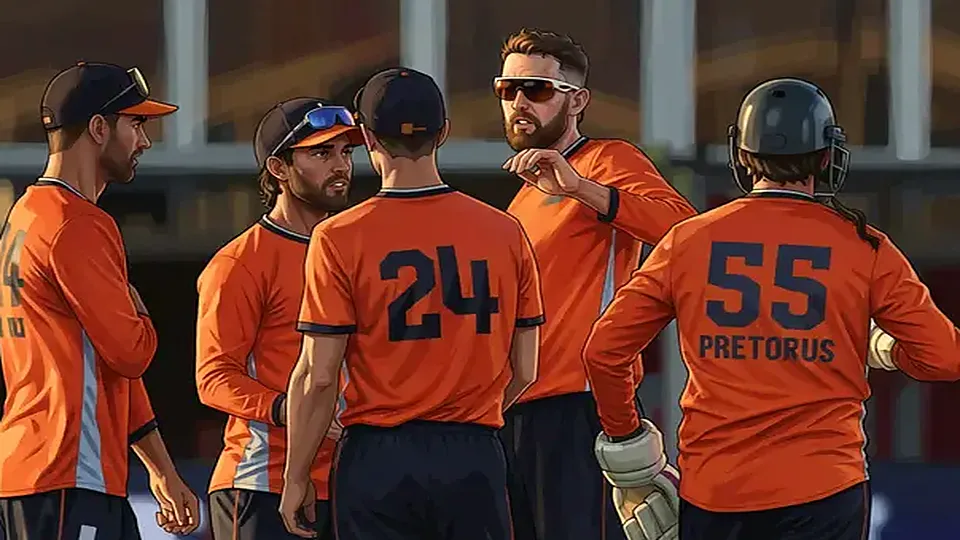
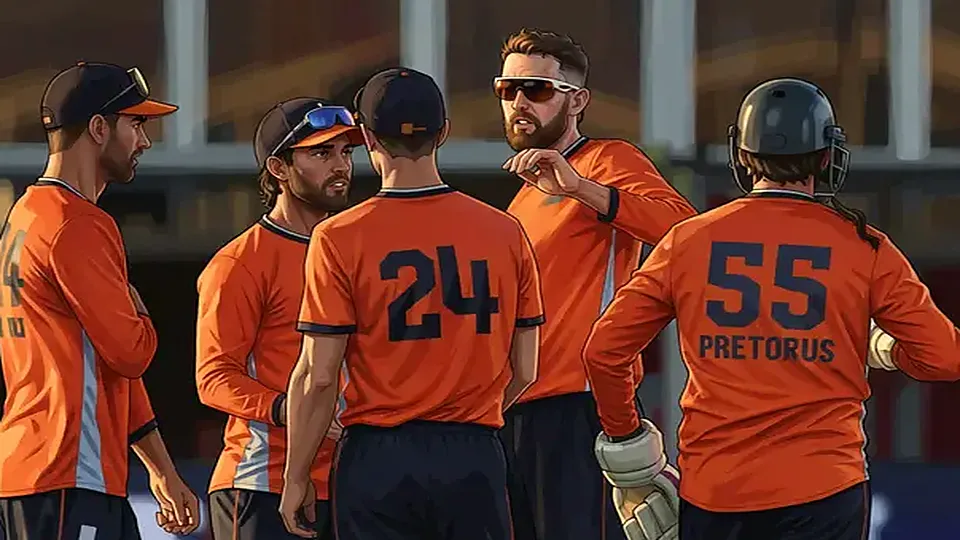
The new ball did the talking at the practice nets, but the real question is who can bat through that skiddy hard length when the surface skids.
Delhi Capitals enter the clash against Rajasthan Royals with a specific headache: dew factor after 8:30 PM IST. That sticky red-soil track in Delhi doesn't just slow the ball; it dries out, punishing leg-spinners who rely on turn. RR's bowling attack is built on wrist-spin dominance, but if the pitch plays true, their advantage evaporates. Nobody in the dugout bought the excuse that the conditions favor them equally.
For the Royals, the dilemma is sharper. They have two heavy hitters, but can they back-to-back them against DC's quicks? The boundary-percentage data suggests that right-handers are struggling against the yorker-heavy new ball. This isn't just about talent; it is a tactical gridlock. RR must pick a left-right batting pair to navigate the early overs, forcing them to leave a key asset on the bench or utilize the Impact Player slot aggressively.
Why the Impact Player Call Is a Coin Flip
Here is where the Pune desk sees the game tilting. DC can bring in a specialist bowler for the death overs, which is standard fare. But RR has a different path. They can utilize their Impact Player to introduce a wicketkeeper-batter who can also bowl, effectively creating a fourth seamer for the final ten overs. It is a contrarian move, but against a spin-heavy lineup, adding another pace option disrupts the rhythm of the batters.
Consider the matchup: if RR keep their all-rounder in, they lack the raw pace to yorker the DC batters at the end. The risk is the impact of the substitution on their batting depth. If they lose early wickets, replacing a batter with a bowler is suicide. But if they survive the first four overs, the math changes.
- DC Strategy: Aggressive top order. They know the new ball offers the most help. They want to set the score before the ball seams.
- RR Strategy: Conservative start. They need to let the ball settle before launching the wrist-spinners. It is a game of patience on a drying surface.
The pre-toss Playing XI dilemmas are less about which players are good and more about how they fit into the sequence. Can RR afford to start with three batters who struggle against leg-grips? The data from previous T20 leagues suggests that boundary-percentage drops by 12% when facing quality left-arm wrist spin on dry patches. DC’s left-arm quirkers become a weapon here. They will bowl into the pitch, using the dry conditions to their advantage.
We need to look at the numbers objectively. According to Comeapk India sports data charts, the correlation between early wickets and final score in T20s remains strong. Teams that lose two in the powerplay face a 30% higher target chase failure rate. RR must protect their top two. This is where the Impact Player gamble comes in. If they start with a batter and replace them with a bowler later, they sacrifice hitting power for defensive stability. If they start with a bowler, they hope the top order digs in.
Boundary Dimensions and the Death Overs
Let’s talk about the boundary-percentage. The ground in Delhi has short square boundaries. This helps the batters, but it also helps the bowlers who can yorker well. RR’s bowlers are not consistent yorkers. That is a problem. DC will pile on the singles and twos, then blast when the ball settles. RR needs to bowl tight in the middle overs to prevent the run rate climbing above 8.0.
The dew factor is the wildcard. It makes the ball unplayable for spinners in the death. RR must have a pacer ready to go. The Impact Player slot is the only way to ensure that depth. It is not about who is the best player; it is about who fits the tactical slot. The Pune desk favors DC. Their lineup is more versatile. They can adapt to the dry patch. RR is rigid. They are betting on one style of bowling working on a surface that might not support it.
In the end, it is a chess match. One wrong move, and the game is lost. DC has the flexibility. RR has the firepower, but only if the pitch plays to their strengths. The toss will be decisive. Whoever gets batting will look to bat last if they can exploit the dew. But the new ball is the great equalizer. It does not care about dew. It cares about seam. And that is where DC has the edge.
Related coverage
- Openers’ 132 Blitz: Data Reveals India’s Fractured Middle Overs in NZ T20 Win
- WI's Death Overs Panic: New-Ball Burst Exposes Fracture, Diamond Exchange Betting Id Spikes
Updated 2026-10-28 · Instant Rupee Deposits & 60s Withdrawals · 24/7 Support.
Access Official DiamondsDessert Portal →Senior Match & Odds Strategist · Chennai Desk
Manish Sen has covered Indian cricket and digital sports from Chennai for over a decade. At DiamondsDessert (diamondsfordessert.com), he leads investigative coverage on diamond exchange betting id, live match dynamics, and tournament strategy.
Reader Discussion & Match Reactions (2)4.6★ Community (2 Comments)
Verified Indian cricket reader perspectives & tactical debate on diamondsfordessert.com
Wait, swapping a top-order hitter for a fourth seamer in the Impact Player slot is a bold gamble. RR risks looking unbalanced in the middle order if that extra pace attack fails to extract line and length. This isn't just tactical; it’s a selector's panic move that could expose their core batting depth to criticism before the match even starts.
The Pune desk keeps fixating on top-flight IPL drama while the grassroots state leagues are quietly breeding the next generation of wicketkeeper-batters. If RR actually fields a utility keeper, it mirrors the SMAT pathway where states prioritize all-rounders. We need more attention on these domestic foundations that feed into franchise rosters.
Join the Discussion (2 Reader Comments)
Related Articles
See All
Gautam Gambhir's Transition Narrative Is Back, Four Defeats Later
Jul 8, 2026
Phoenix go down in flames after Buttler stars with 90
Jul 27, 2026